Why generic contact forms fail
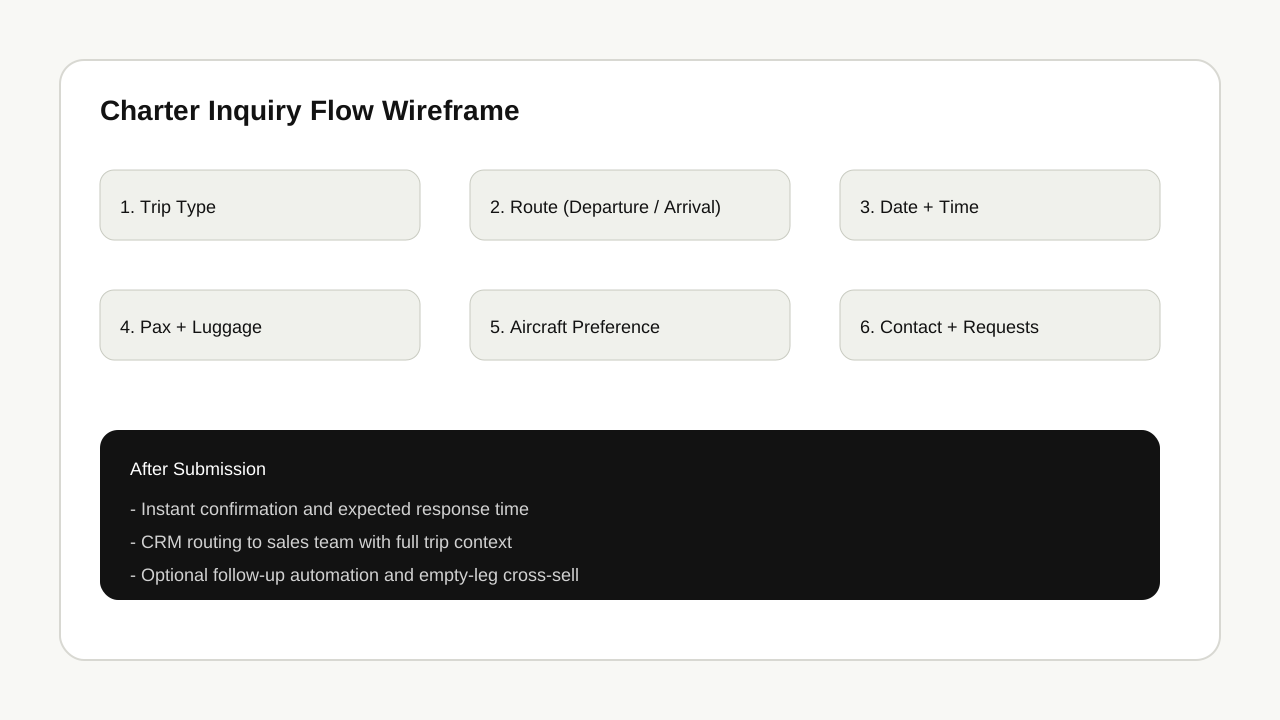
Charter inquiries need trip type, route, dates, pax count, aircraft preference, and special requests. A single free-text field puts that burden on prospects and forces sales teams to chase missing basics before quoting.
That delay is expensive. In charter, response speed is often the difference between closing and losing, especially when trips are urgent or same-week.
High-converting inquiry flow structure
- Trip type: one-way, round-trip, or multi-leg.
- Route capture: departure and arrival city/airport.
- Date and preferred departure time.
- Passenger count and luggage context.
- Aircraft preference (optional visual selector).
- Contact details and special requests.
We apply this model across JetPreneurs and AHH Helicopters, adapting field order by vertical while preserving qualification quality.
Empty leg integration
Empty legs and repositioning opportunities should be visible as live lead magnets. We typically pair those opportunities with direct claim forms so prospects can act before availability changes.
What happens after submission
Conversion doesn't end at form submit. Effective systems send instant confirmation with response expectations, route lead data seamlessly to your CRM—whether that's a specialized aviation system, Salesforce, or HubSpot—and trigger automated follow-up sequences.
FAQ
Common Questions
Essential considerations for planning a high-converting booking flow.
Let's build together
Ready to scope your aviation website?
Book a 30-minute call and we will map your pages, booking flow, and growth priorities before we quote.
Related Pages
Written by Haseeb Asif and Ahsen Tahir, Co-Founders of Velton.